
Free on-site gate assessment - hinges, posts, and your LiftMaster or Nice gate operator checked before anything is quoted
The assessment is free and the quote is the invoice.
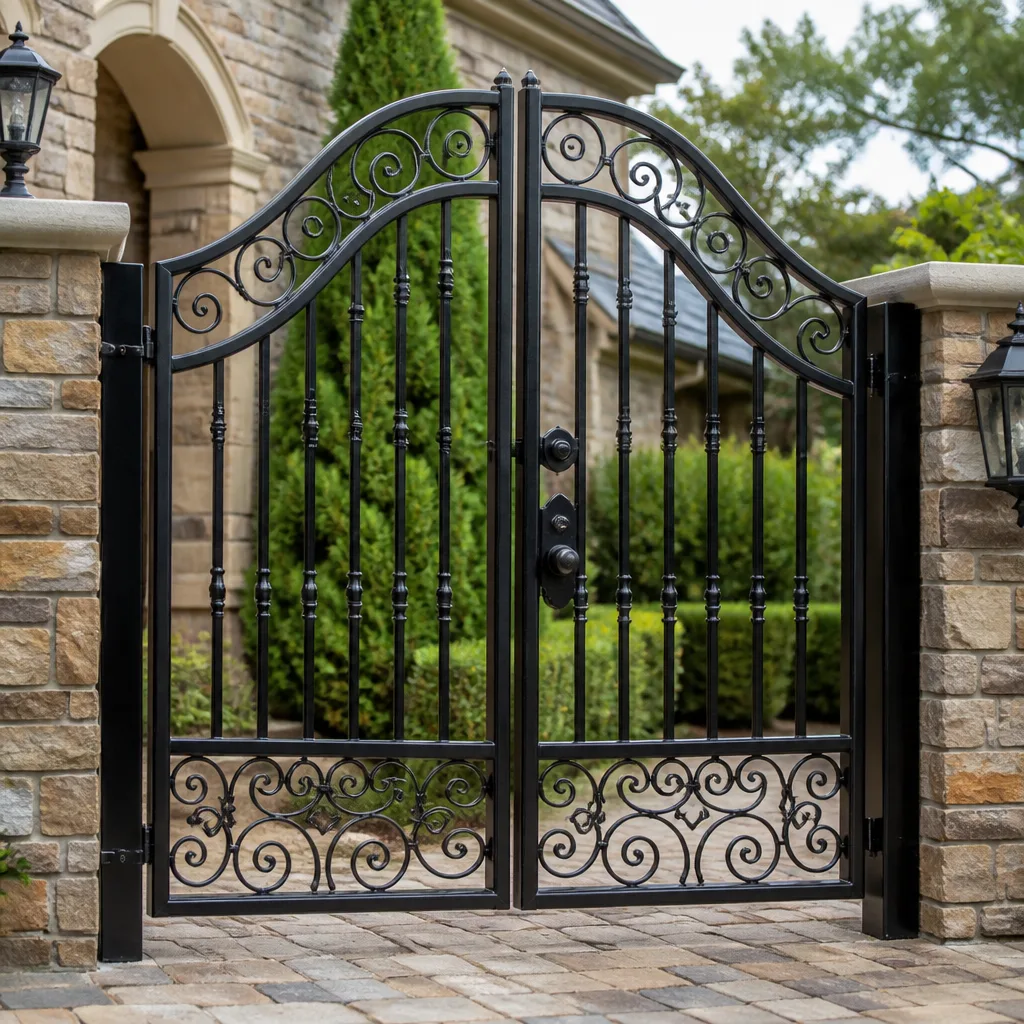
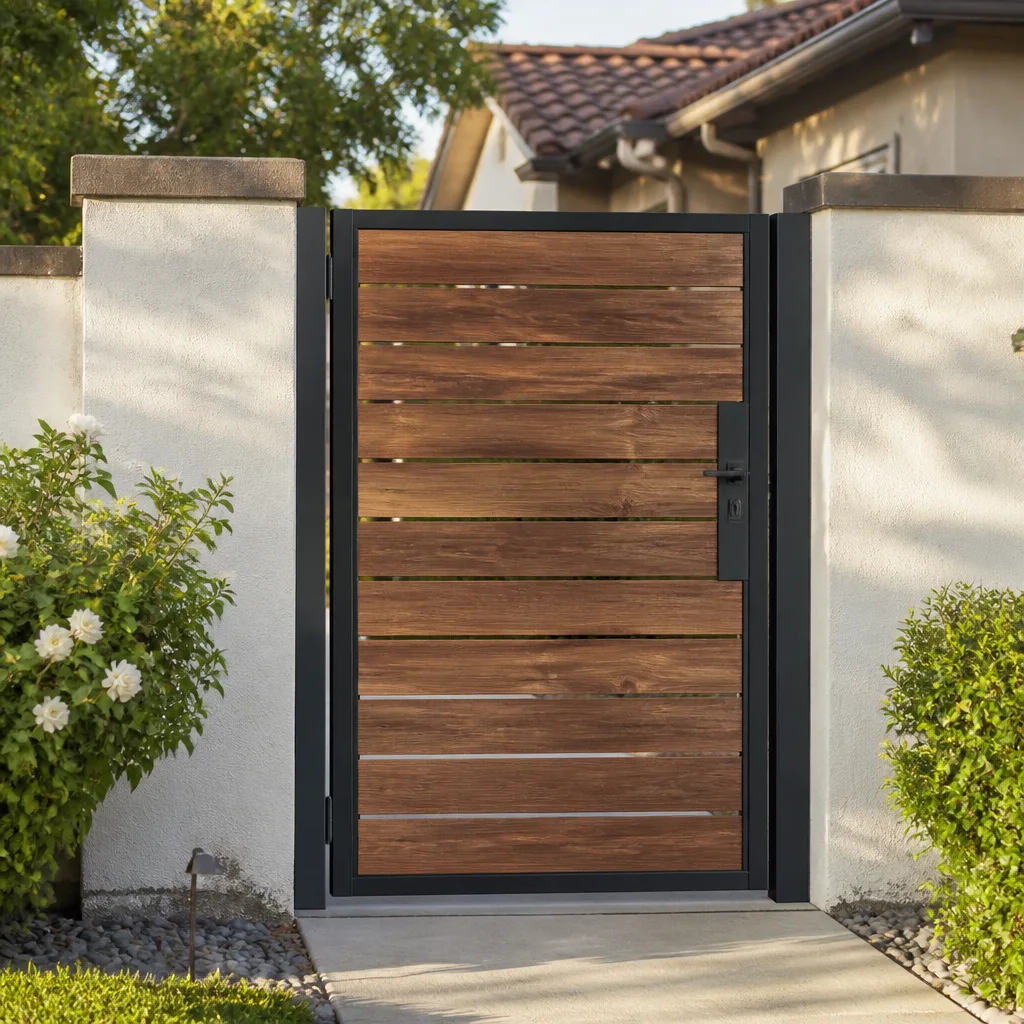
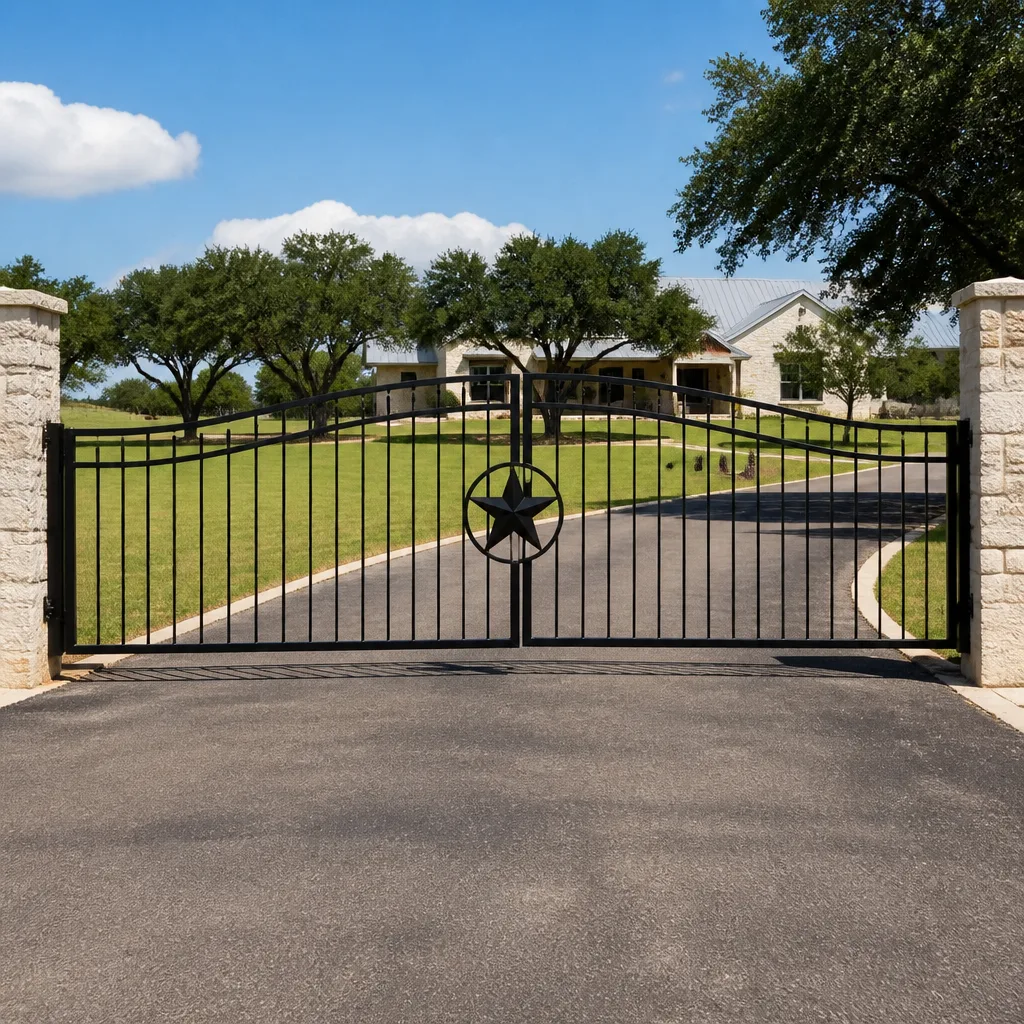
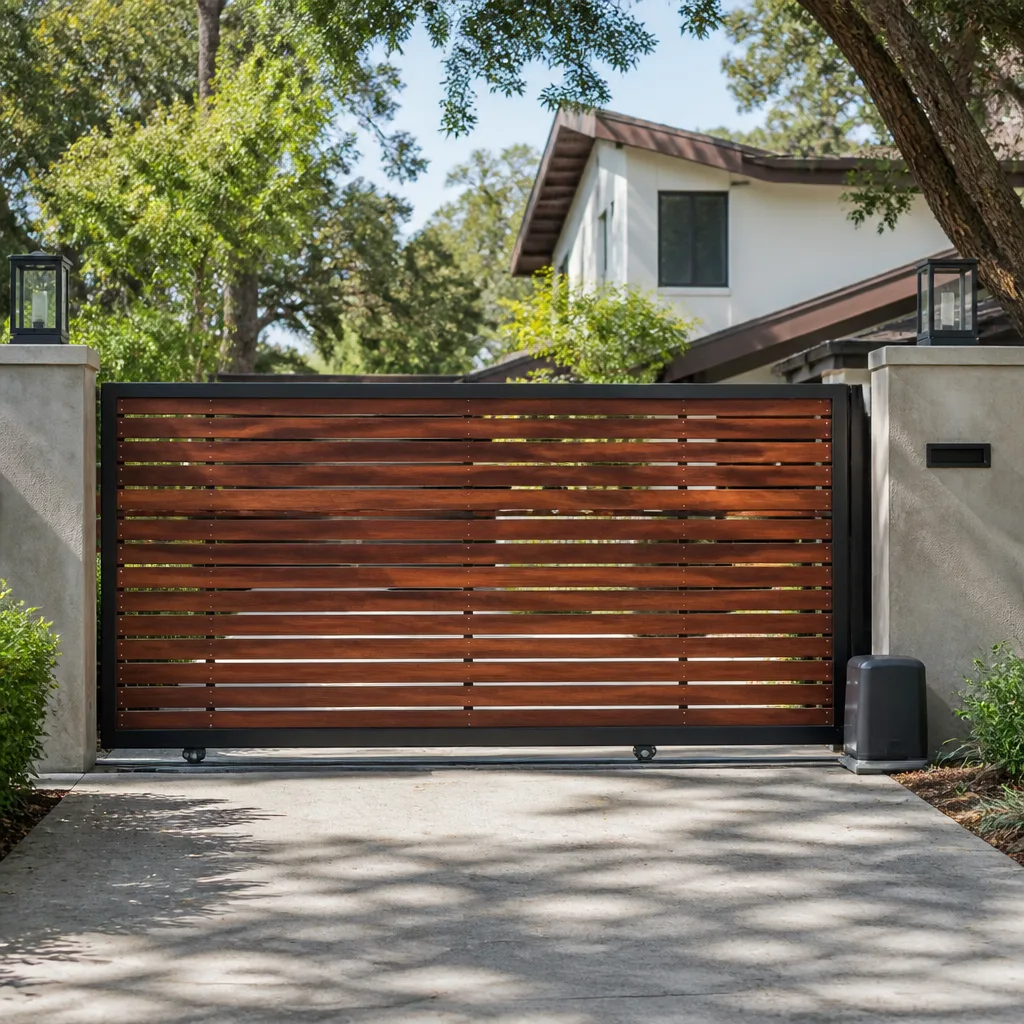
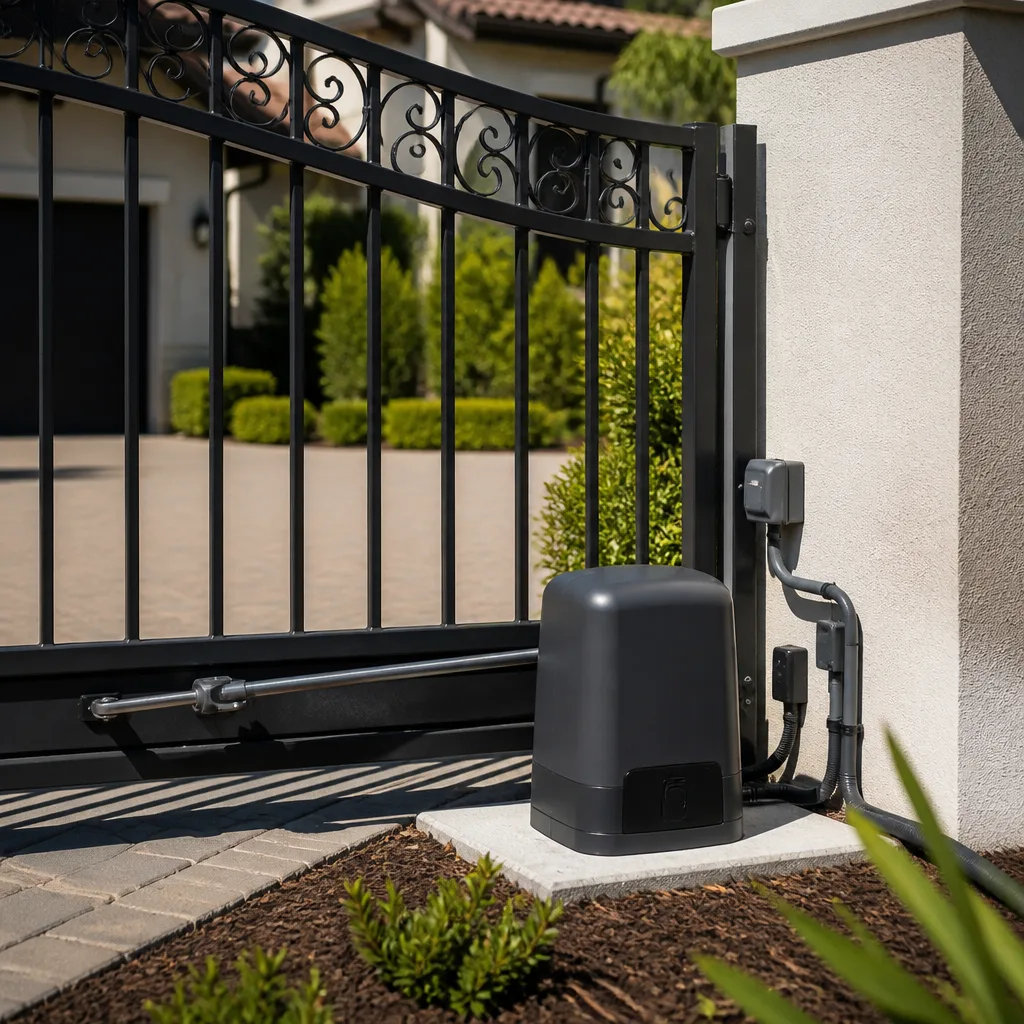
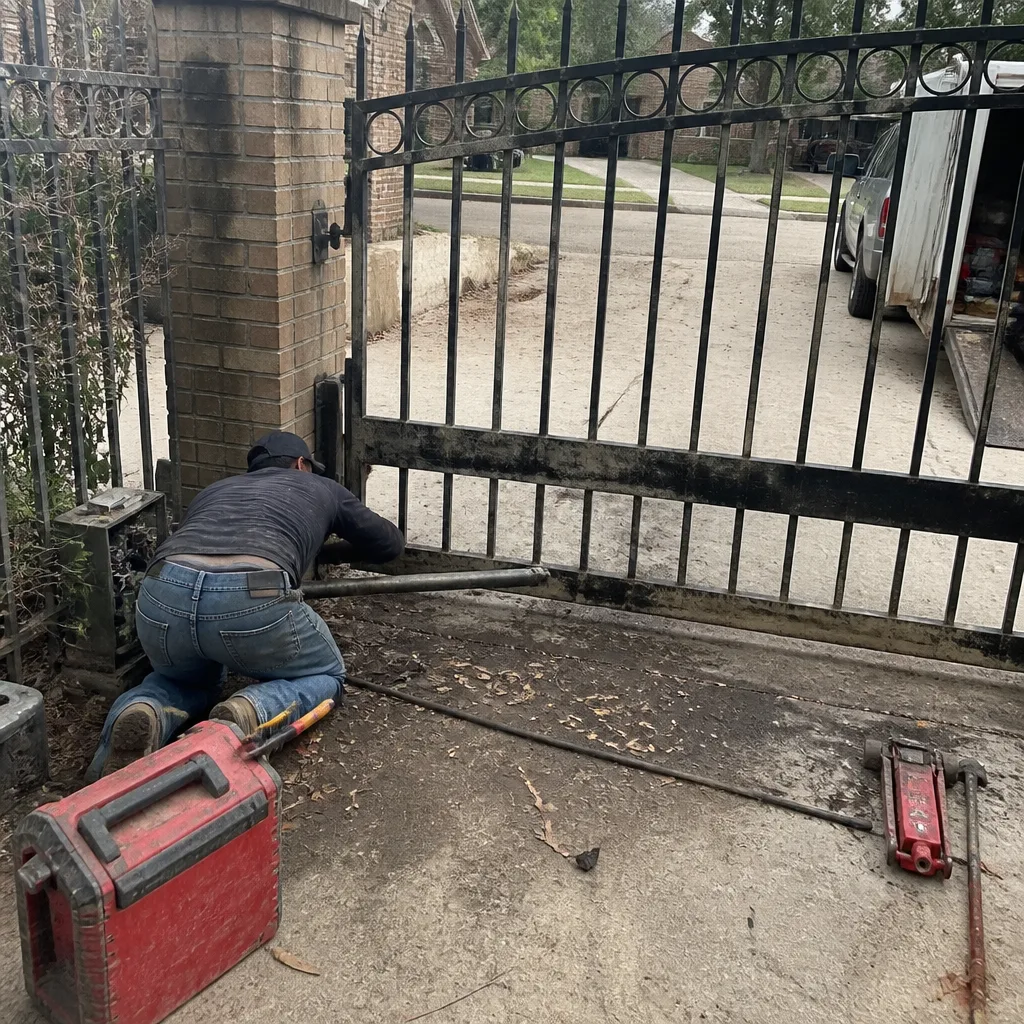 Before
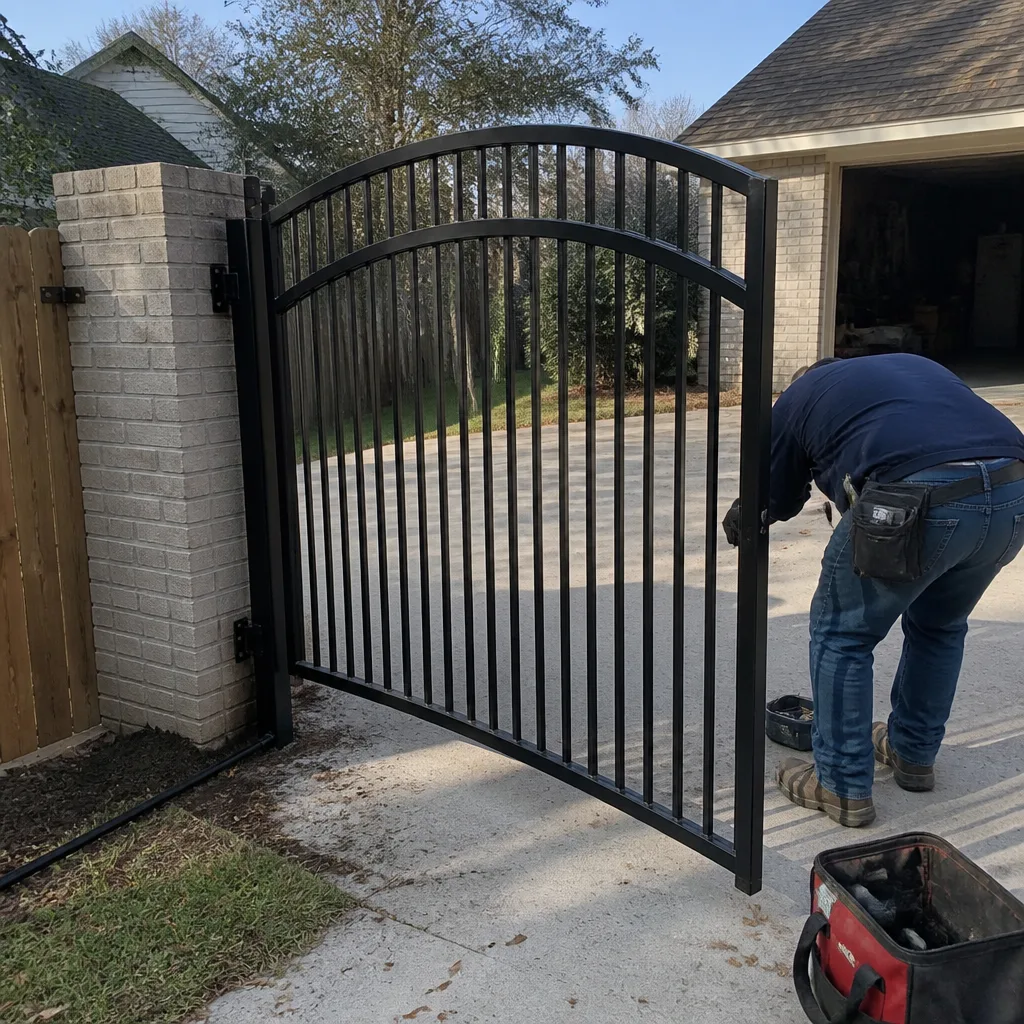 After
After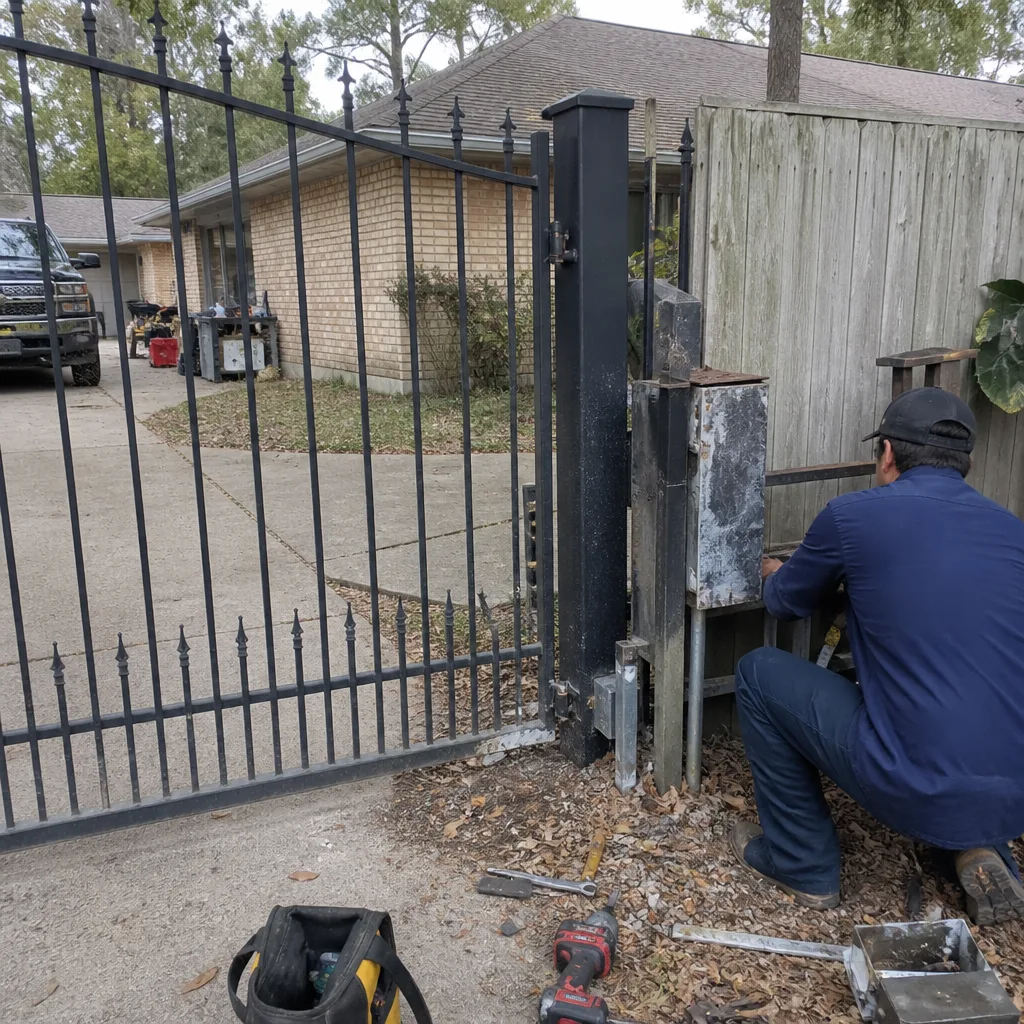 Before
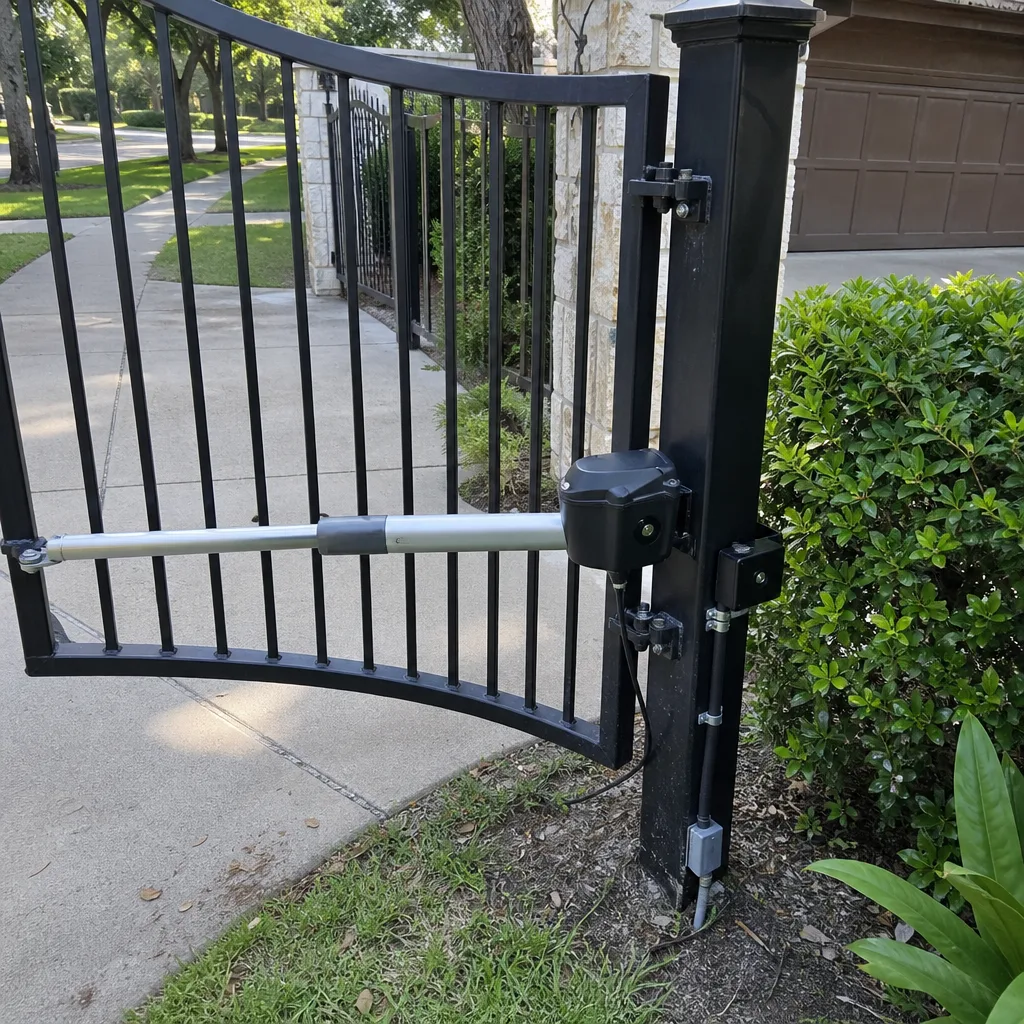 After
After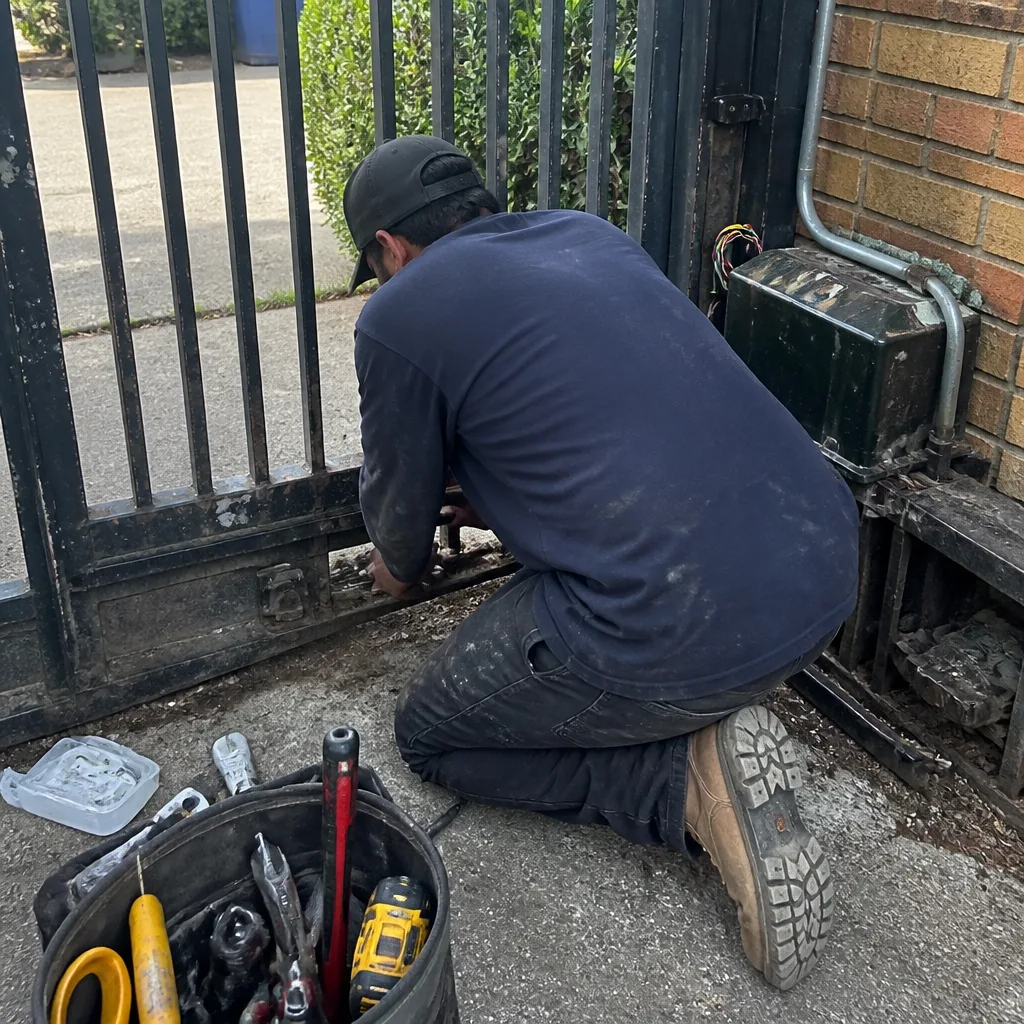 Before
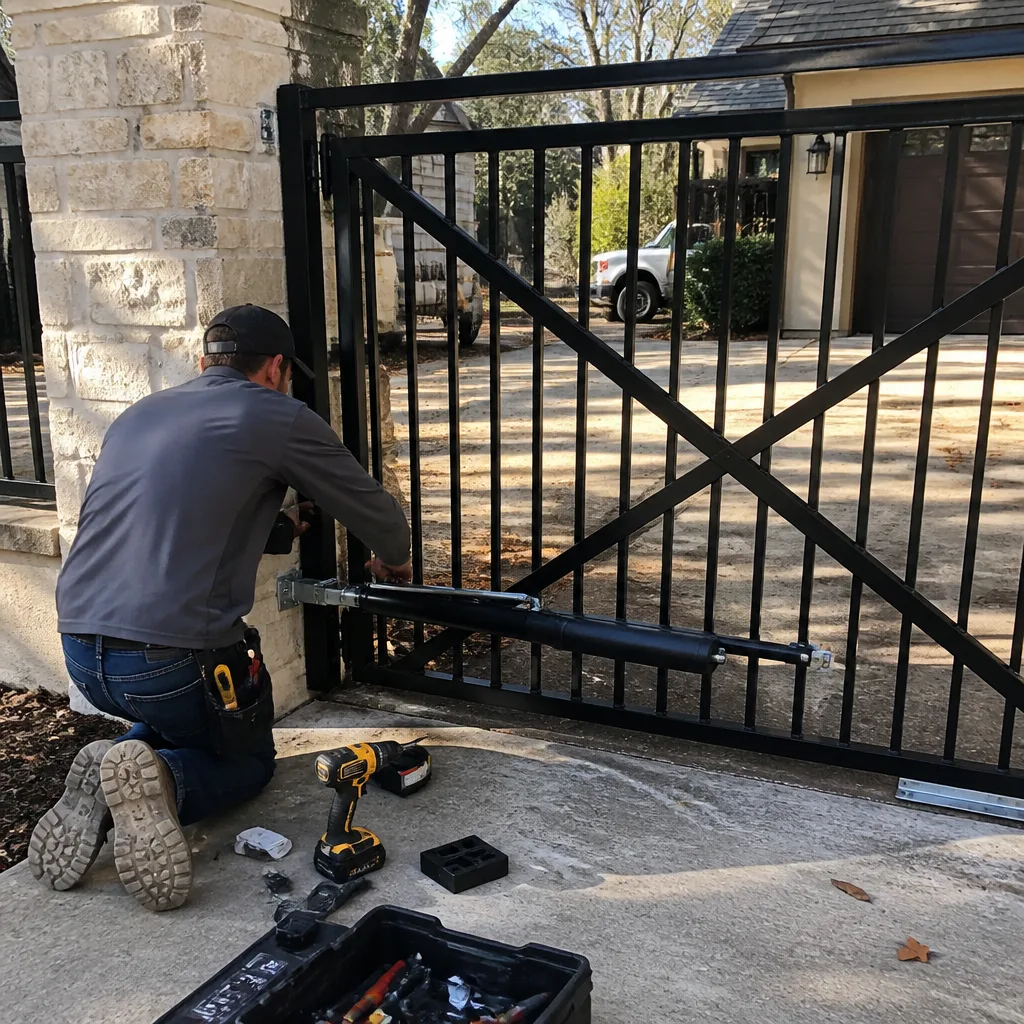 After
AfterFAAC Access Control Installation: The Spring Owner’s Guide
FAAC access control installation in Spring typically runs between $450 and $1,200 for most residential systems, and we stock the common parts on the truck, which means most calls are fixed in a single visit. The exact number depends on the specific FAAC board or access component that failed, how many entry devices you run, and whether the wiring between the gate and the house needs attention. Owners usually discover the problem the way you did: the keypad stops talking to the board, the remote receiver quits recognizing the fob, or the gate starts doing the opposite of what the access panel says.
Most of the FAAC access jobs we see in Spring aren’t the operator itself. They’re the layer between the button you push and the motor that moves the gate. That’s what this page covers: what fails, what it costs to fix in Spring, and what a proper installation looks like when we leave. And under Clause 4 of The Haven Standard (Evidence on every job), you get a photographed record of every wire we touch, every setting we change, and every part we install, before we pull out of the driveway.
Which FAAC Models This Applies To
FAAC has been building gate operators and access control gear since 1965, and in Spring we work on nearly every residential and light-commercial FAAC line still in service: the 400, 412, 415, 422, 750, 760, 770, and the newer E024U and S418 swing operators. The access control side breaks into three buckets: FAAC’s own plug-in receiver boards (like the RP and XR series), keypad and card-reader integrations that tie into the board’s open-command terminals, and third-party access panels wired into FAAC’s operator logic. All of them eventually fail at the same weak point, and it’s rarely the board itself.
Here’s the compatibility gotcha we see regularly: not every FAAC board accepts an external access module the same way. The older 750-series boards read a normally-open dry contact on terminals 9 and 10, while the E024U wants you to land that same contact on the safety/command strip and then program the logic through the display. If someone wires an access keypad into the wrong terminal pair, the gate will arm but never move on command, or worse, opens when the safety edge trips. We’ve corrected at least two of these mismatches in the Gleannloch Farms area this year alone. That’s why we photograph the terminal strip before and after every access control installation.
OEM versus aftermarket matters more on FAAC access boards than it does on hinges. A genuine FAAC 390-778 receiver is match-paired to the board’s learn routine and holds its programming through Houston-area humidity. The aftermarket equivalents we’ve tested work, but they drift: slight frequency offset after a year, intermittent dropouts on humid mornings. We’ll install both and stand behind both, but we’ll tell you plainly which one we’d put on our own gate. For the record, Vance Gate Repair Spring is an independent service provider, not affiliated with FAAC. We stock FAAC parts because your gate already has a FAAC operator on it, and replacing the whole thing over a failed access board is a waste of your money. We also carry parts and access gear for LiftMaster, Mighty Mule, and Ghost Controls when that’s what’s actually on the property.
Signs Your FAAC Access Control Installation Is Failing
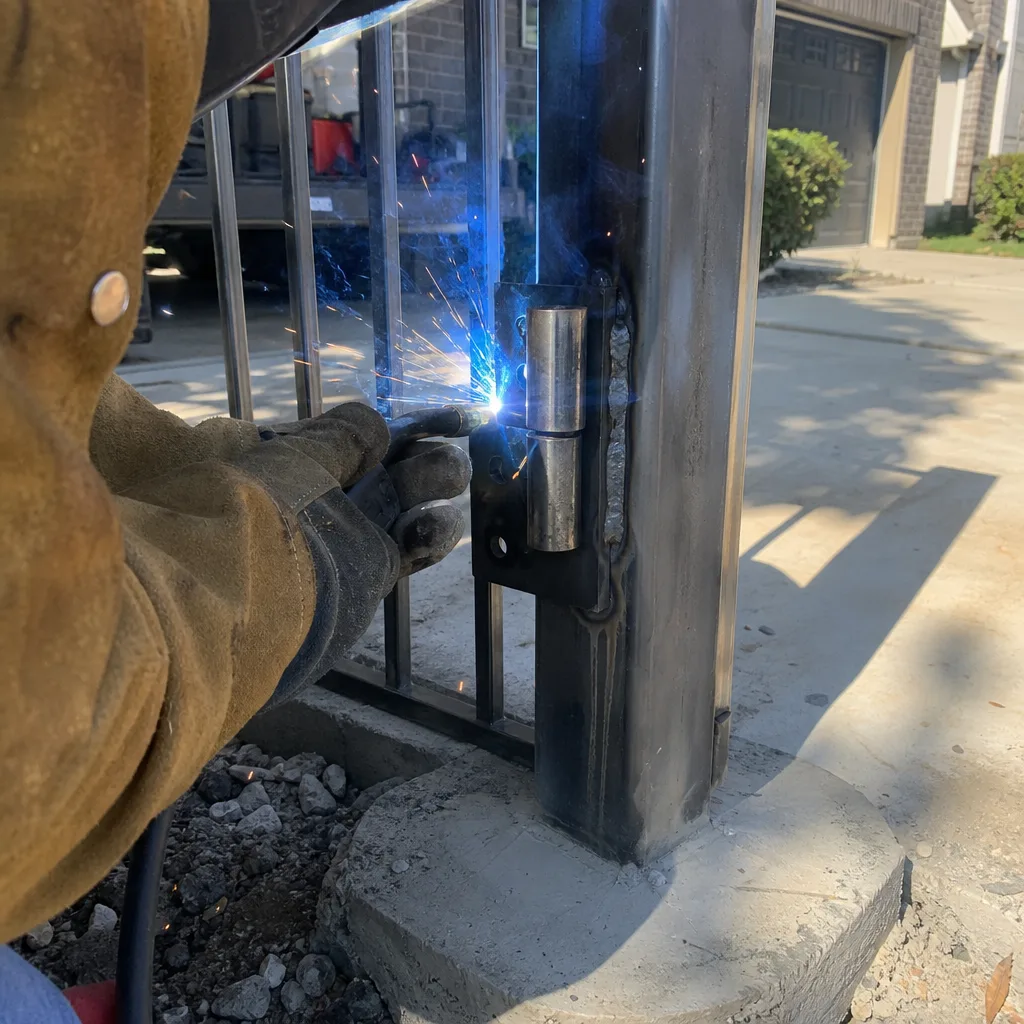
Here’s what we see on FAAC access systems in Spring before the call comes in. If one of these fits, you’ve found your culprit.
- The keypad beeps but the gate won’t move. The keypad’s relay is clicking, but the command isn’t reaching the FAAC board’s open terminal. Usually a broken or corroded conductor between the keypad and the operator, or the wire landed on the wrong terminal pair. This is the single most common access failure we trace in Spring, and the fix is often a re-termination at both ends, not a new keypad.
- The remote works sometimes, usually when you’re close. That’s a receiver sensitivity issue or antenna damage. FAAC receivers have a small antenna pigtail inside the operator housing. When it gets pinched or the housing seal fails and lets Houston humidity in, the receiver’s range collapses to a few feet. We test with a fresh fob first to rule out a dying remote battery, then meter the receiver output.
- The gate opens on its own or refuses to close. An access command is being generated when it shouldn’t be. Could be water in a buried conduit shorting a keypad wire, or a failing relay on the access module that’s bouncing closed. In Spring, buried conduit and heavy clay soil means groundwater intrusion at the elbow joints is a year-round problem.
- The card reader flashes but nothing happens. The reader has power and is reading cards, but the control panel isn’t matching the credential or is failing to fire the relay. On older FAAC installs, we see this on Wiegand readers that have drifted out of spec after a few years of direct sun on a metal pedestal.
- Everything works from inside the house but not outside the property. This one fools a lot of owners. It’s usually the external keypad or reader wiring, not the FAAC operator. The inside button is a simple hardwired dry contact. The outside keypad is a longer wire run, more exposure, and more failure points. We isolate by jumping the open terminals at the board and working back toward the keypad.
BeforeAfterReplacement Cost & What’s Included
A FAAC access control installation in Spring runs from $450 to $1,200 installed, and here’s where the range comes from. A single keypad replacement tied into an existing FAAC board sits at the low end. A full system with a new FAAC-compatible receiver board, a weather-rated keypad, and a card reader, all re-terminated and reprogrammed, lands at the top. If we’re also replacing buried wire runs, which we often are in Spring’s clay soil, the labor shifts upward because trenching and conduit work isn’t a guess job.
The price we hand you before we touch a tool is the price you pay. That’s Haven Standard Clause 1: written scope, written price, no surprises. Parts and labor are separate line items on the sheet, and every part number we plan to install is already on that page. No “we’ll see once we open it up” hedge. The work carries the 365-Day Done Right Promise: if the repair isn’t right, we make it right, no fee, no argument. Most FAAC access swaps in Spring are a two to three hour job, which means same-day completion in almost all cases.
DIY or Call Us?
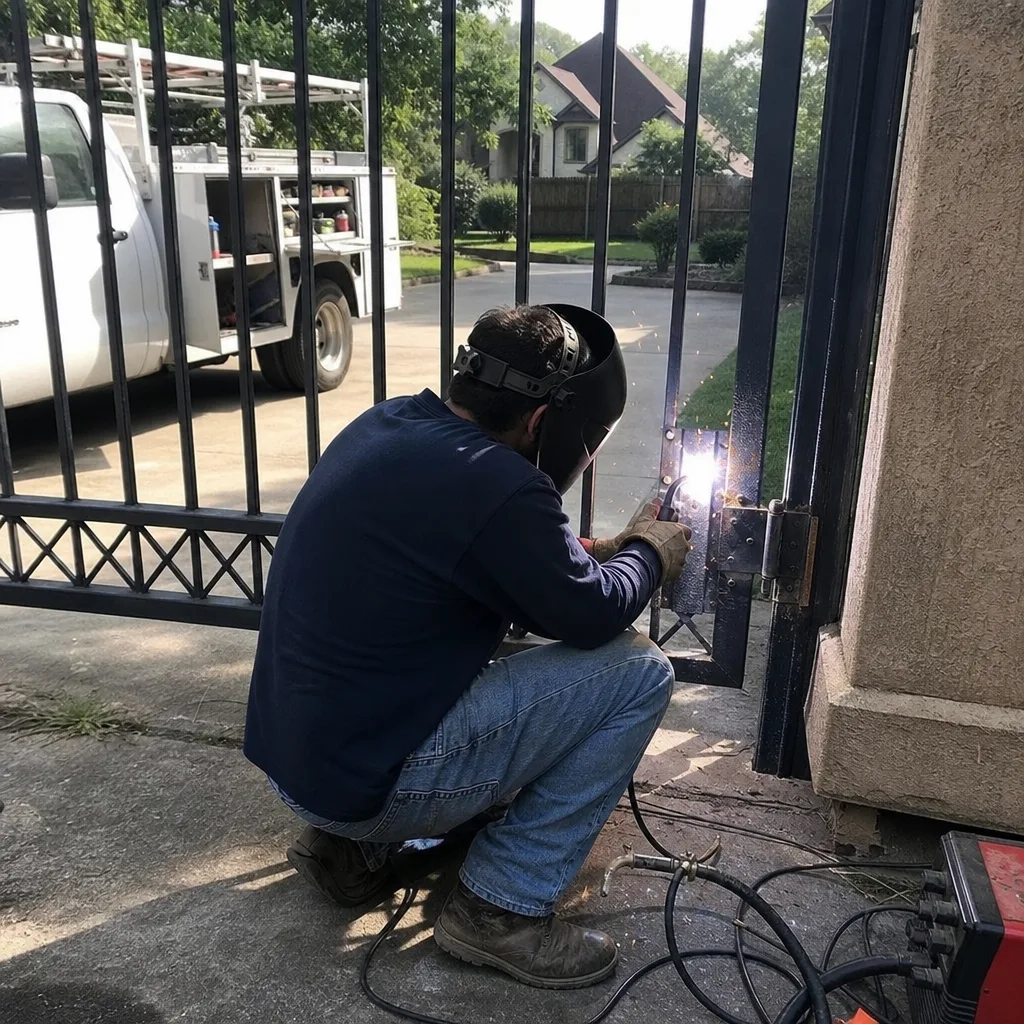
Access control involves low voltage, which is far safer than the line-voltage side of a gate operator, but it can still damage the FAAC board if you short the wrong terminals. A 24-volt access keypad miswired into the motor’s power terminals will fry the board. That’s not a scare tactic; it’s the most common DIY mistake we correct in Spring. If you’re comfortable with a multimeter and you know the difference between normally-open and normally-closed contacts, you can test for continuity on the keypad wire before you call us. If you’re guessing, leave the guess to us.
The part that genuinely does merit a professional: buried wire runs, anything involving the operator’s capacitor or mains wiring, and any access panel that requires board-level programming. Call (346) 488-1637 and we’ll bring the parts, the meter, and the camera. You’ll know the price before we start, and you’ll have a photo record of what we did when we finish.
FAQs
A FAAC access board installed in a properly sealed operator housing should run seven to ten years in the Houston area. The failure point in our experience is moisture intrusion through a failed gasket or conduit seal, not the electronics themselves. We routinely see 10-year-old FAAC boards that show zero corrosion because the housing seals held. What kills boards early in Spring is condensation inside the cabinet from a bad door gasket combined with high-humidity days. If your board has visible green corrosion on the terminal strip, it’s been breathing wet air.
Sometimes, and we’ll tell you honestly. A blown relay is a $40 part on many FAAC boards and soldering in a new one takes 20 minutes. Water-damaged traces or a damaged main processor is a different story: when the board is that far gone, the repair price approaches the replacement price and you get no warranty on the older board. We don’t believe in saving you $50 to leave you with a board that fails again in August. Call (346) 488-1637 and we’ll meter the board and give you a straight answer.
Most single-component FAAC access installations in Spring take two to three hours on site. A full system with new conduit runs, multiple reader positions, and reprogramming can take four to six hours. Either way, we’re done the same day. The written quote lists the expected time, and if we find a buried-wire issue mid-job, we stop, show you what we found, and price the fix before we keep digging.
We stock the common FAAC access parts on the truck: receiver boards, keypads, card reader control relays, and weatherproof enclosures. If your FAAC model uses a part we don’t carry that day, we can typically have it from our local supplier within one to two business days. In most cases, we don’t need to order anything. Call (346) 488-1637 with your model number and we’ll confirm before we dispatch.
Written by Adrian Vance, Owner, Vance Gate Repair Spring at Vance Gate Repair Spring, serving Spring and nearby areas.